Why Your Home Office Needs a Professional Remote Podcast Producer





Introduction: The Atmosphere Gap in the Remote Era
In the professional landscape of 2026, the home office has undergone a radical transformation. What was once a temporary solution or a secondary workspace has become a high-stakes primary choice. We have moved far beyond the initial phase of remote work where "can you hear me?" or "you are on mute" were acceptable interruptions. For the modern podcaster, your virtual presence is no longer just a convenience: it is your brand's primary handshake.
However, a significant quality gap remains. This is what we at Cue call the Atmosphere Gap. While brands are investing thousands in high-level strategy and elite guest acquisition, many are still attempting to fuel their Content Waterfall using compressed, glitchy recordings captured over standard video conferencing tools.
We believe that your spare room, home library, or office suite should be held to the same rigorous standards as a professional London soundstage. Achieving this requires more than a decent microphone: it requires a Virtual Studio standard, which is built upon the transition from standard "cloud" audio to Studio-over-IP technology, supported by the presence of a professional remote producer who serves as your technical guardian.

1. The Technical Debt of Video Conferencing: Why Zoom is Killing Your Authority
Nowadays, we have subconsciously conditioned our ears to accept the compressed, metallic, and often stuttering audio that comes with traditional video calling platforms. For a casual internal catch-up, this is sufficient. For a strategic business asset that represents your brand’s authority, it is a liability.
The Problem with Cloud Compression
Platforms like Zoom, Microsoft Teams, and Google Meet are engineered for real-time communication, not high-fidelity recording. To ensure the call does not drop in the event of a connection flicker, these platforms use aggressive compression algorithms. They prioritise the speed of the connection over the quality of the signal. If your internet bandwidth dips even slightly, the software chews the audio, removing frequencies to keep the line open.
When you use these recordings for your podcast, you are starting with a compromised source. No amount of post-production can fully restore the lost data of a compressed cloud call. Research into cognitive ease suggests that listeners subconsciously associate poor audio quality with a lack of preparation and authority. If your brand sounds thin and glitchy, your message feels thin and glitchy.
Studio-over-IP: The Professional Alternative
The Virtual Studio standard replaces cloud compression with Studio-over-IP technology. At Cue, we utilise platforms like Riverside.fm and SquadCast to bypass the cloud entirely during the recording process. These tools record "locally" on each participant’s computer.
This means that while you see your guest via a low-resolution preview, the actual recording is happening at the source in uncompressed, studio-grade quality. Even if the internet connection fails entirely for several seconds, the recording remains perfect because it is not dependent on the stability of the stream. This shift in technology is the fundamental requirement for great remote podcast production services.
2. The Remote Producer: The Human Element in a Digital Space
Having the right software is only half the battle. The most significant differentiator between an amateur recording and the professional standard is the presence of a live remote producer.
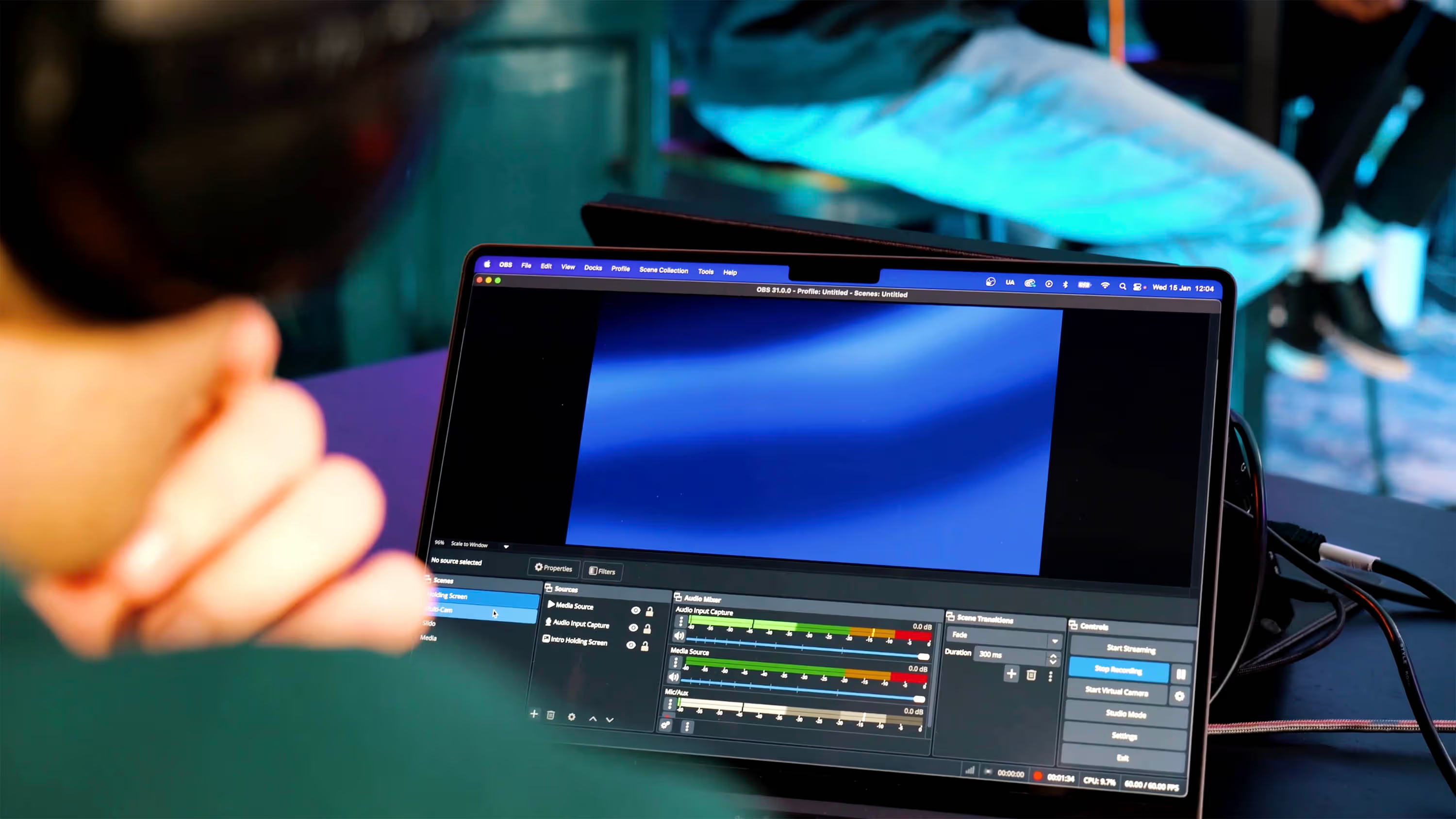
Think of a remote producer as an air traffic controller for your content. When we manage on-location conference podcasting, our crew is physically present to manage the environment. In a virtual setting, that responsibility is transferred to the remote producer, who monitors the session through a digital console.
Real-Time Disaster Mitigation
Technical disasters rarely give you a warning. A guest’s microphone might accidentally switch to their laptop’s built-in mic mid-sentence, or a background hum from a desk fan might suddenly become audible. A host might forget to look at the lens, or a digital glitch might corrupt a local file.
A professional producer monitors every track in real-time. They see the signal levels, they hear the ambient noise, and they can see if a guest’s eye-line is off. If something goes wrong, they stop the session immediately, fix the issue, and ensure the take is clean. This prevents the heartbreak of finishing a sixty-minute interview only to realise the audio is unusable.
Psychological Safety for the Speaker
Recording a podcast is a performance. If a host or guest is constantly worrying about whether their levels are too high or if their camera is in focus, they cannot be fully present in the conversation. The remote producer handles the technical cognitive load so the speakers can focus on the chemistry and the narrative. This human element is why professional podcast production is about much more than just hitting record.
3. The 2026 Hardware Checklist: Engineering the Ideal Hub
To meet theindustry standard, your hardware must match your software. You do not need to turn your home into a radio station, but you must move beyond the "out-of-the-box" laptop setup.
The Audio Chain: The Primary Asset
Audio is the foundation of the podcast. Listeners will forgive average video, but they will switch off if the audio is poor.
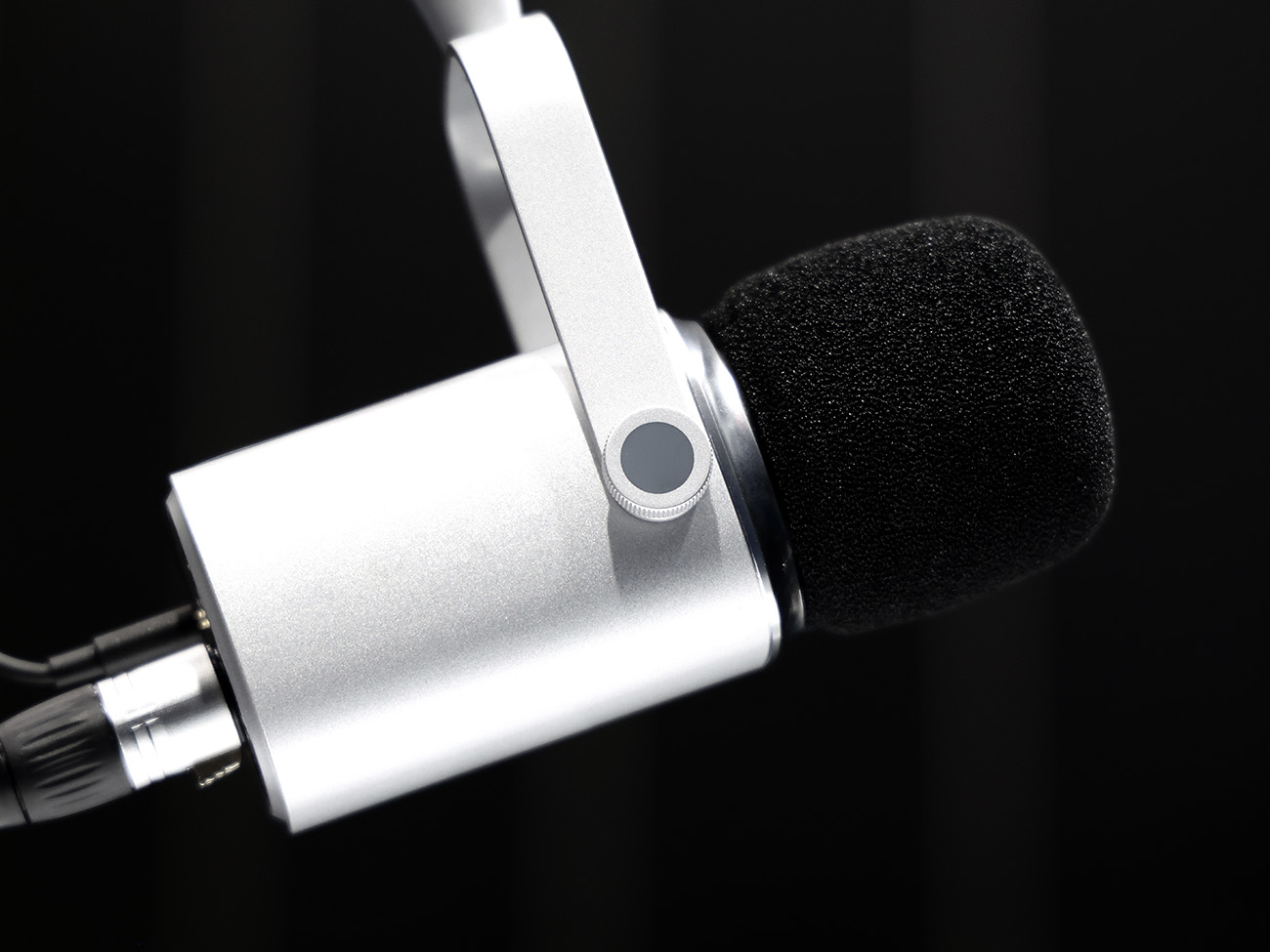
- The Dynamic Microphone: We advise moving away from "condenser" mics or gaming headsets. Dynamic microphones, like the Shure MV7+ or the Rode PodMic USB, are designed to ignore room noise and focus on the voice.
- The Boom Arm: Keeping the mic off the desk prevents the "thumping" sounds of typing or mouse clicks from entering the recording.
- Wired Headphones: Bluetooth introduces lag and compression. Always use wired, over-ear headphones to prevent "bleed," which occurs when your mic picks up the sound of your guest's voice from your speakers.
The Visual Chain: Capturing Authority
- 4K External Camera: Even a high-end external webcam will outperform any built-in laptop camera. For those seeking the highest standard, using a mirrorless camera (like a Sony ZV-E10) as a webcam provides the professional "blurred background" look that signals high-budget production.
- The Lighting Logic: Video is 90% lighting. A simple "key light" placed at a 45-degree angle to your face will remove unflattering shadows and make you look like you are in a professional studio.
For more details on building this setup, refer to our guide on how to start a podcast.

4. The Physics of the Home Office: Taming the Room
One of the most overlooked aspects of remote podcast production services is the room itself. A five-thousand-pound microphone will still sound poor in a room full of glass and hard wood.
Sound waves bounce off hard surfaces, creating reverb that makes the speaker sound like they are in a cave. To meet the Virtual Studio standard, we help our clients soften their environment. This doesn't mean buying expensive acoustic foam: it can be as simple as adding a rug, closing the curtains, or ensuring there are bookshelves behind the microphone to diffuse the sound.
When a Cue producer joins your session, the first thing they do is an acoustic sweep. They listen for these reflections and provide instant feedback to the guest to ensure the room is working for them, not against them.
5. Operational ROI: The Business Case for Professional Remote Production
Why should a marketing department invest in professional remote production? It comes down to the ROI of time and the preservation of brand equity.
Feeding the Content Waterfall
When a producer manages your remote session, they are not just watching the clock: they are tagging gold nuggets. They mark the specific timestamps that will make for perfect LinkedIn clips or TikTok reels. This feeds directly into your Content Waterfall, ensuring that a one-hour recording yields ninety days of marketing assets.
Preserving Executive Bandwidth
Your C-suite's time is your company's most expensive resource. If an executive spends thirty minutes of an hour-long slot troubleshooting their microphone or re-recording a segment due to a technical glitch, you are losing money. A professional remote producer ensures that every minute of their time is spent creating value, not fixing cables.
6. Guest Onboarding: Making the "Un-Technical" Look Professional
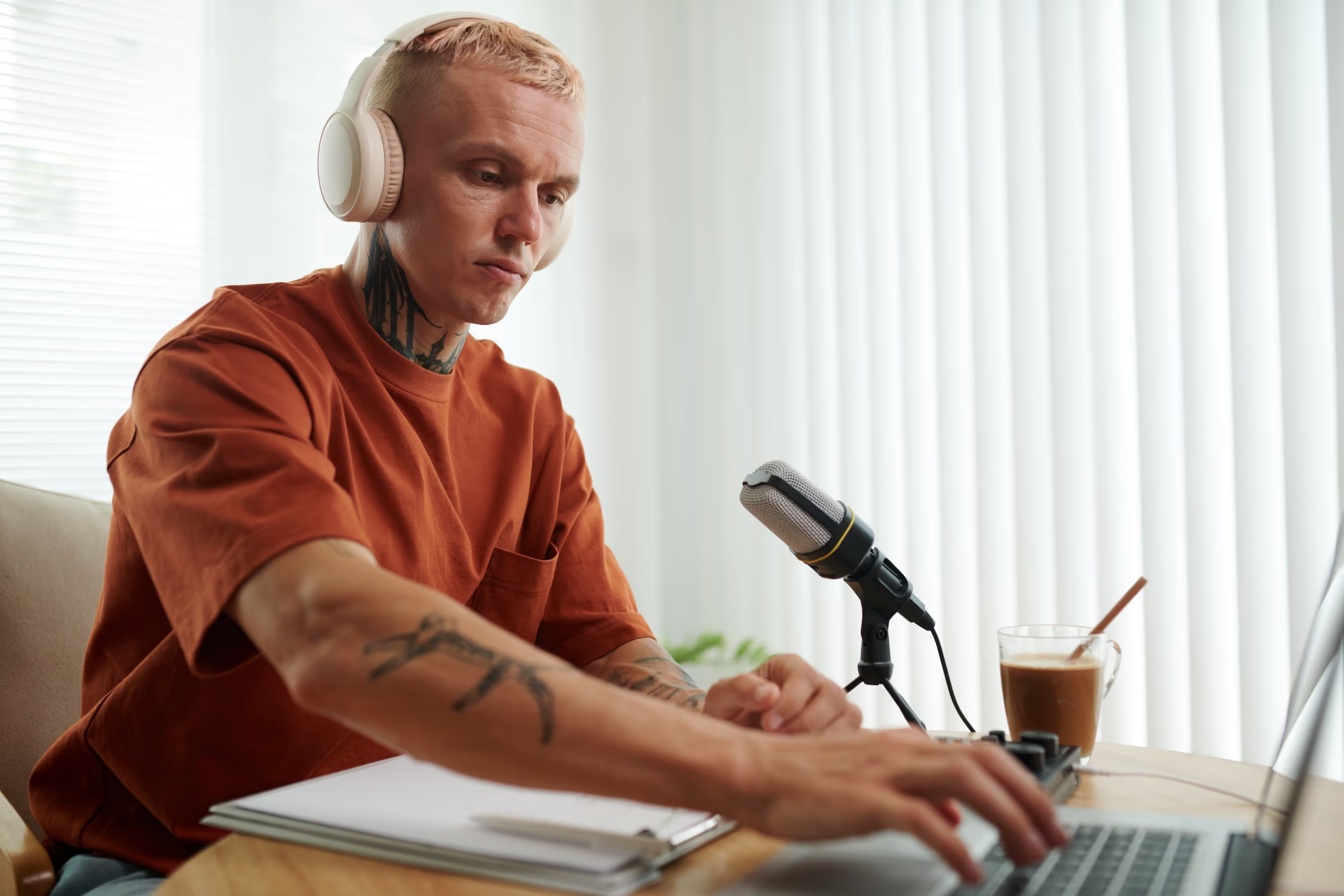
In B2B podcasting, your guest is often a busy professional who may not have a studio setup. Part of the Cue Productions differential is our guest onboarding process.
Before the recording begins, we provide a Tech-Check for every guest. We ensure their settings are correct, their lighting is flattering, and their audio is clean. This ensures that your high-value guests look and sound like industry leaders, which in turn reflects positively on your brand. There are many ways you can find guests for your podcast, you can either work with your producer for outreach, or use platforms like MatchMaker.fm to find suitable candidates.
Conclusion: Don't Settle for Digital Mush
In an era where everyone has a webcam, the only way to stand out is through superior quality and professional execution. The industry standard is about respecting your audience’s ears and your guests’ time. It is about moving beyond the limitations of "digital mush" and embracing a professional standard of communication.
By partnering with Cue for your remote podcast production services, you are not just hiring an editor: you are hiring a broadcast partner who ensures that your home office sounds like a world-class studio.
Is your home office up to the 2026 standard? Don't let a poor connection stifle your brand's voice. Let us handle the technical complexity so you can focus on leading the conversation.
Book Your Virtual Studio Strategy Call with Cue Productions Here