Studio vs Remote: Which Video Format Wins for B2B Credibility?

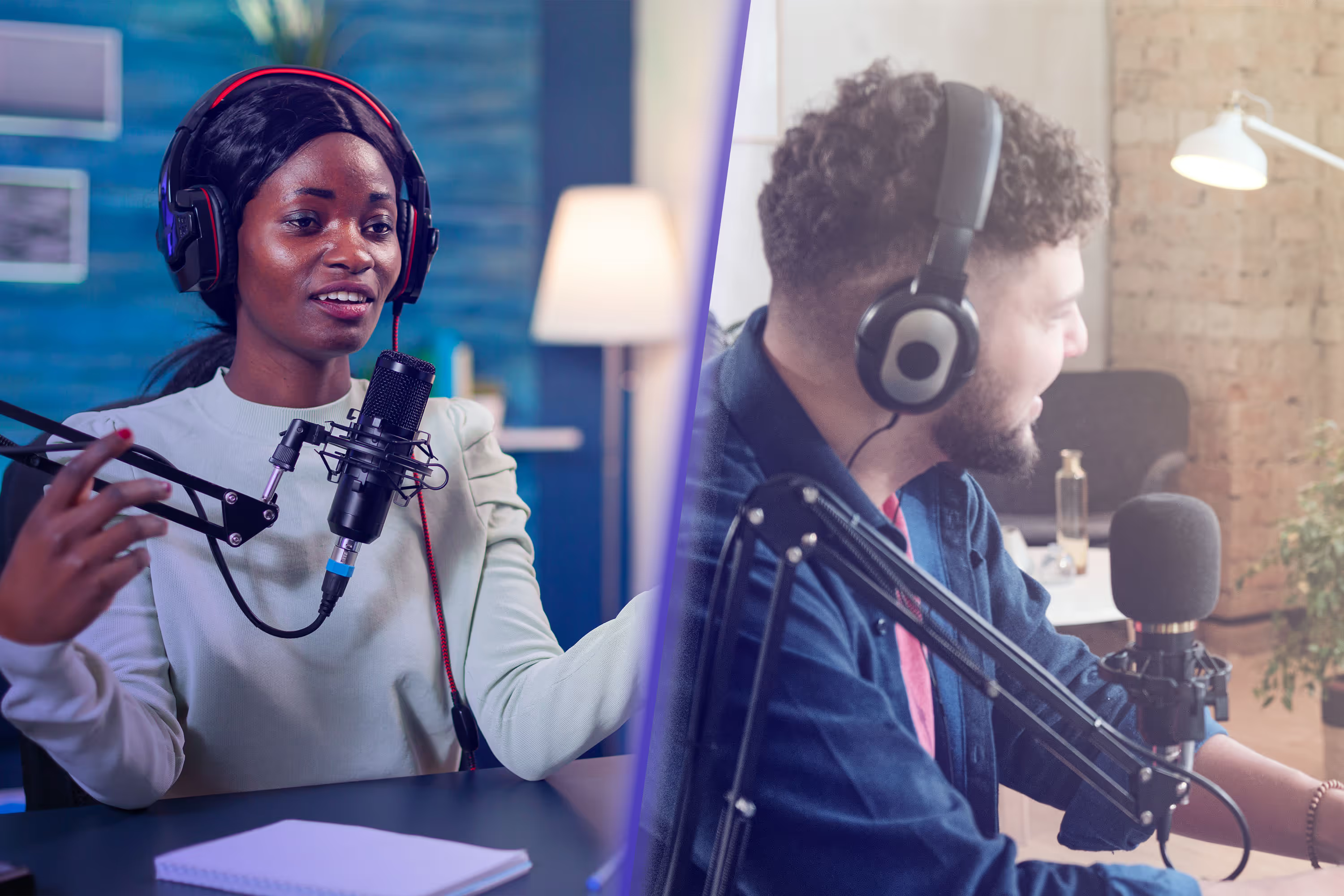



Business communication has undergone a significant transformation over the last decade. Corporate leaders and marketing teams now recognise that digital content serves as the primary gateway for brand interaction. Within this landscape, video podcast production has emerged as a dominant force for establishing authority.
When a company decides to launch a series, the most critical logistical question involves the recording environment. Should the production take place in a controlled physical studio or through a sophisticated remote setup? This choice influences more than just the budget. It dictates the level of credibility the brand projects to its peers and prospects.
The stakes are particularly high in the business-to-business sector. Unlike consumer marketing, where impulse and emotion often drive decisions, B2B relationships are built on long-term trust and proven expertise. A video podcast is often the first time a potential partner sees the face of a company. Therefore, every frame must work toward building a narrative of competence. High-quality production is the digital equivalent of a well-pressed suit or a professional office space.
The Visual Trust Factor in Modern Business
The concept of visual trust refers to the subconscious psychological evaluation viewers perform within seconds of seeing a video. In the B2B sector, where deal cycles are long and high stakes are common, trust is the most valuable currency. When a potential client watches a video podcast, they are listening to the insights provided, AND they are assessing the professionalism of the brand through the lens of production quality. High-fidelity visuals signal that a company is established, detail-oriented, and invested in its own message.
Human brains are hardwired to make snap judgments based on visual information. This is an evolutionary trait designed for survival, but in the modern world, it applies to brand perception. If a video is poorly lit or the audio is distorted, the viewer may subconsciously associate those flaws with the product or service being sold. Professional video podcast production solves this by aligning the aesthetic of the content with the expertise of the speaker. Research from various marketing studies suggests that viewers associate higher production value with greater institutional stability. This perception is vital for B2B brands that need to prove they can handle complex, long-term partnerships.
Visual trust also extends to the consistency of the content. A brand that maintains a high standard across every episode demonstrates reliability. It shows that the organization has the resources and the discipline to maintain a professional front. This builds a foundation of confidence before a single sales call is ever made. In an era where every company is a media company, those who master the visual aspect of their messaging gain a significant competitive advantage.
Investing in the Physical Studio: The Gold Standard
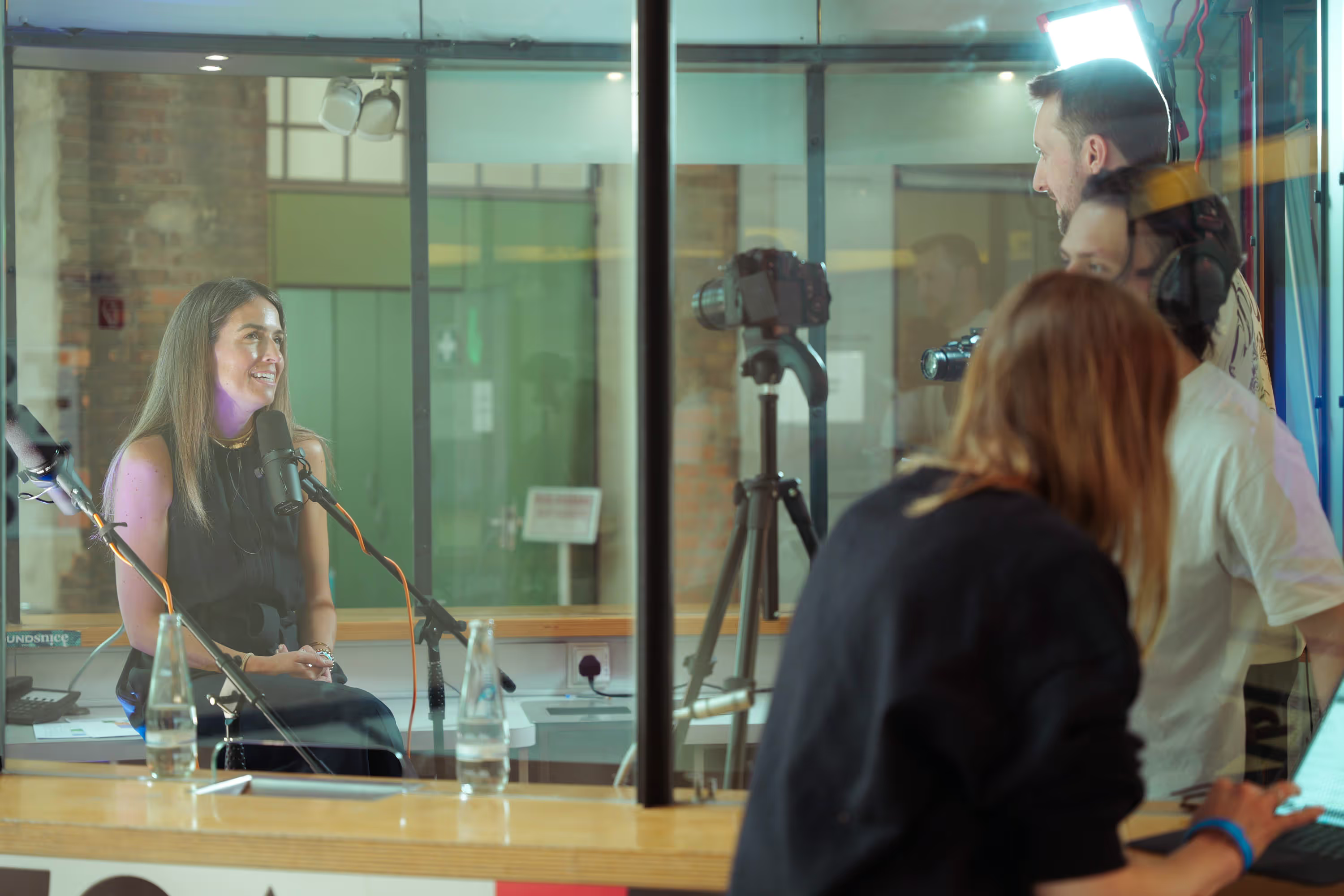
A professional physical studio remains the gold standard for high-stakes content. This environment offers a level of control that cannot be replicated in a home or office setting. Physical presence allows for subtle non-verbal cues and a more fluid exchange of ideas. This energy translates directly to the screen, making the content more engaging for the audience.
The technical benefits of a physical set are extensive. Acoustic treatment is built into the architecture, ensuring every word is free from background noise. For companies looking to create a flagship series that serves as their primary brand asset, using professional studio hire is the most direct path to top-tier credibility. A custom-built set includes physical textures and lighting that reflect the brand identity, showing the audience that the organisation has built a dedicated home for its thought leadership.
Beyond the technical aspects, a physical studio allows for immersive branding. A custom-built set can include physical textures, architectural lighting, and tangible elements that reflect the brand identity. This creates a sense of permanence. It shows the audience that the brand is not just appearing for a quick social media post but has built a dedicated home for its thought leadership.
The Evolution of High-End Remote Video Podcast Production
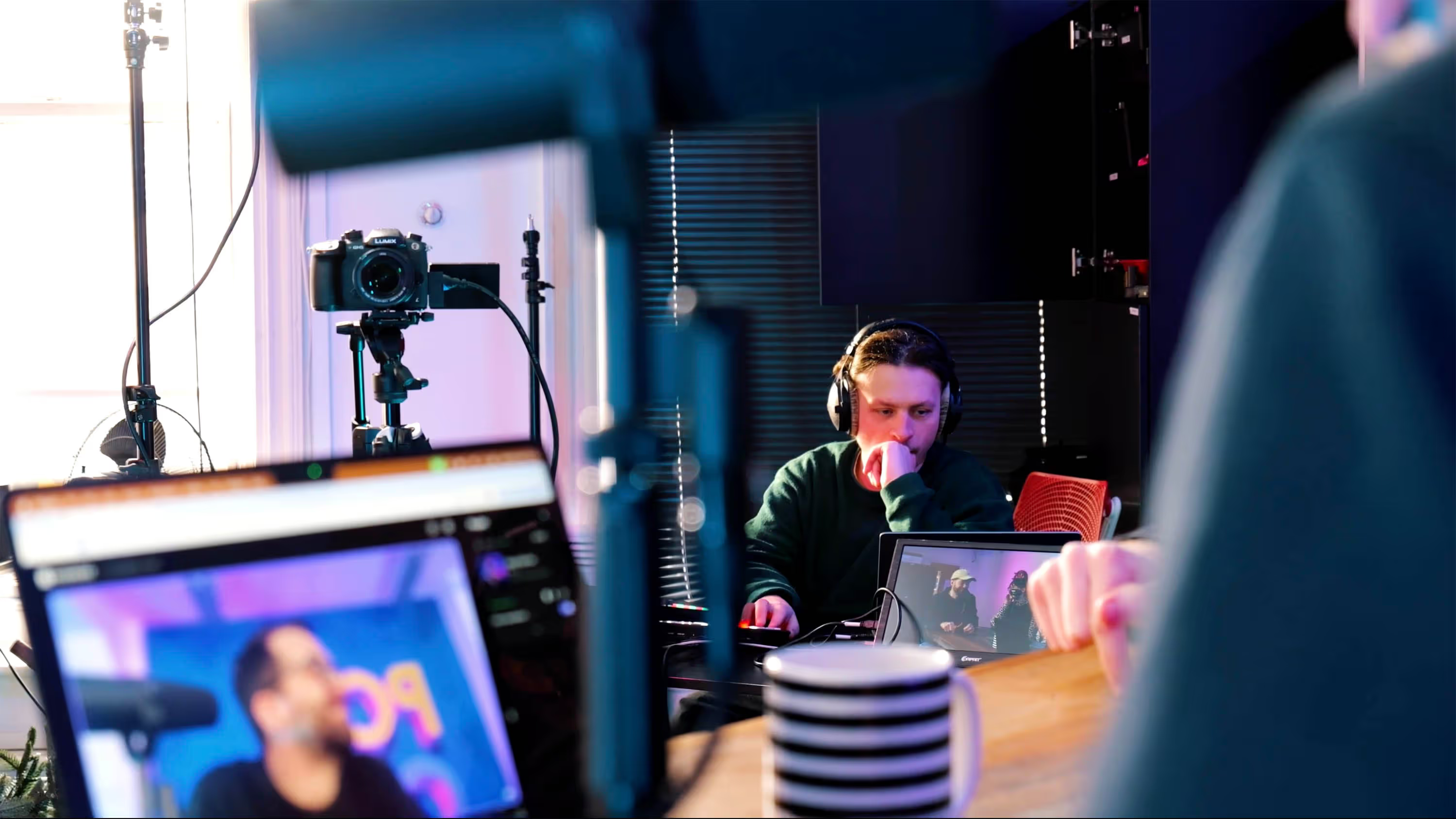
While the studio is the peak of production, the modern business world demands agility. Remote video podcast production has evolved significantly beyond basic video conferencing. Today, a professional remote setup can rival the quality of a studio if the right protocols are in place. The primary advantage here is accessibility. Remote formats allow a brand to interview global experts who would otherwise be unable to travel to a specific location. This expands the reach of the content and allows for a more diverse range of voices.
The credibility of a remote show depends entirely on the equipment and the recording process. Successful shows utilise local recording software to bypass the glitches and compression associated with standard web calls. When managed by a dedicated video production team, remote sessions are polished to a high level in post-production. This agility allows brands to react to industry news quickly while maintaining a professional standard.
Technicalities That Help With Authority
Lighting is the most impactful element of video quality. To project authority, a speaker must be lit with intention using a three-point setup. This consists of a key light for main illumination, a fill light to soften shadows, and a backlight to separate the subject from the background. Consistent colour temperature prevents distracting tints. Companies can find detailed advice on gear selection through resources like Blackmagic Design, which provides the hardware necessary for this level of polish.
Although the focus is video, audio is the foundation of credibility. In B2B communication, the audio must be broadcast quality. Microphones like the Shure SM7B are industry standards because they provide a rich, warm tone that people associate with professional media. High-quality audio reduces the cognitive load on the viewer, allowing them to focus entirely on the insights being shared.
Audio processing in post-production further refines the voice to ensure it sounds authoritative. This involves equalisation to balance the tones and compression to ensure a consistent volume level. Removing background hiss and unwanted noises is also a critical step. When the audio is clear and full, the message is easier to digest. This reduces the cognitive load on the viewer, allowing them to focus entirely on the insights being shared. In the world of B2B, where the information is often dense and complex, clear audio is not a luxury. It is a fundamental requirement for effective communication.

Background Design: Crafting the Professional Environment
The background of a video podcast says as much about the brand as the host does. A cluttered or messy background suggests a lack of organisation. Conversely, a completely sterile or digital background can feel impersonal and untrustworthy. The goal is to create a background that feels lived-in but highly curated. This is often achieved through the use of depth of field and thoughtful set dressing.
By positioning the camera and the subject so that there is significant space between the person and the wall, the background naturally falls out of focus. This creates a pleasing blur known as bokeh. This technique keeps the audience focused entirely on the speaker while providing a sophisticated atmosphere. Elements like bookshelves, tastefully placed plants, or accent lighting can add texture to the background. In a physical studio, these elements are permanent and professionally designed. In a remote setup, they must be carefully arranged to avoid looking accidental.
For B2B brands, the background is also an opportunity for subtle branding. This does not mean plastering the company logo everywhere. Instead, it means using the brand colors in the decor or including items that represent the industry. For example, a technology firm might have sleek, modern hardware in the background, while a legal firm might opt for a more traditional, academic look. The background should reinforce the message being delivered.
A Bespoke Approach to B2B Video Podcasting
Choosing between physical studio and remote recording should be guided by the overarching commercial strategy of an organisation. High-prestige flagship series typically thrive in the controlled environment of a studio while high-frequency global interviews benefit from the agility of a remote setup. Although the format changes, the commitment to professional quality must be absolute to maintain B2B authority.
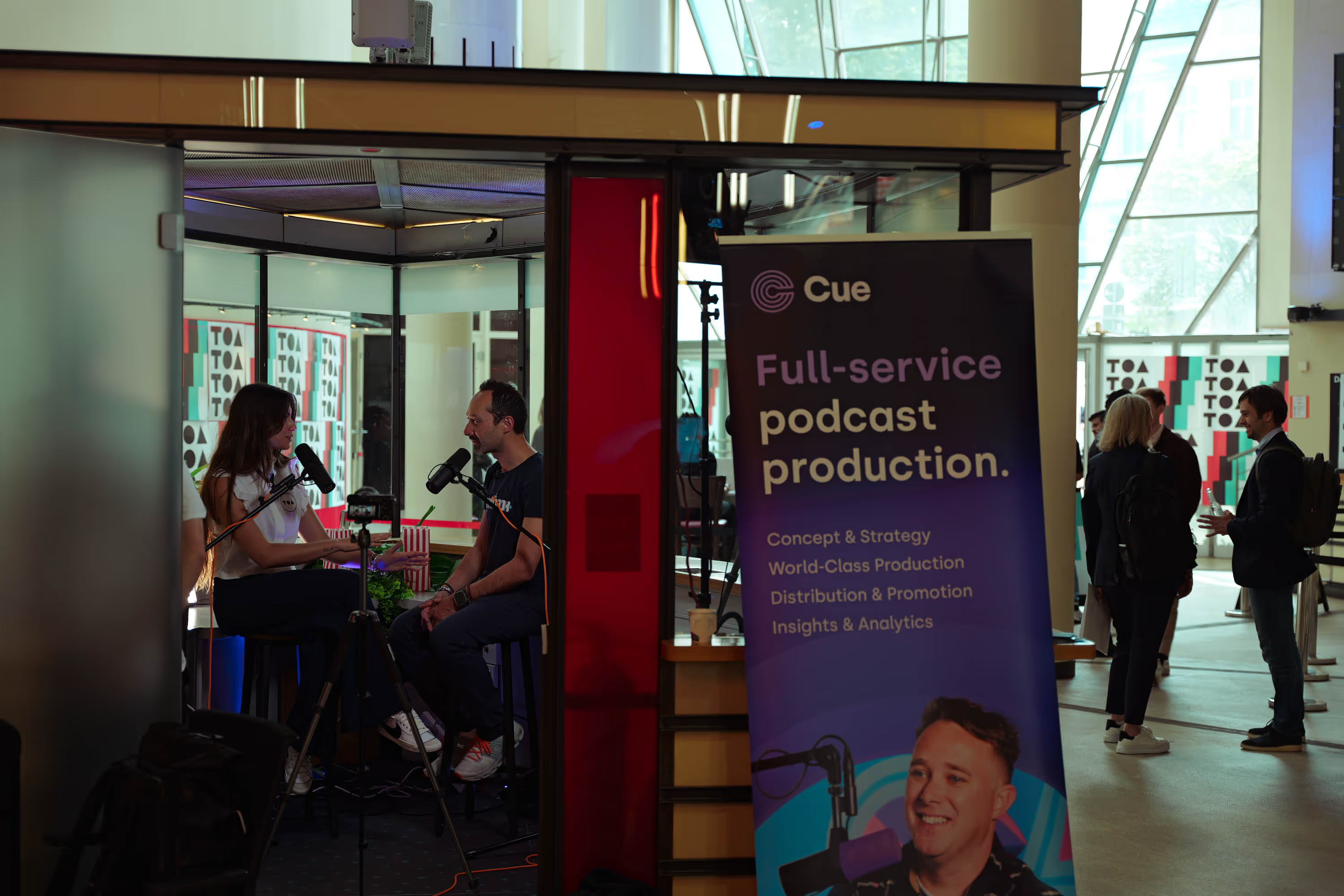
Cue offers a bespoke experience that moves beyond standard templates. The team takes a personalised approach to every project, ensuring that the chosen format serves the specific needs of the brand. This diverse range of services includes everything from studio hire for local executives to comprehensive remote video production for international networks. By integrating multiple specialist solutions into a single workflow, the team handles the technical complexity of video podcast production so that clients can focus on their expertise.
We are ready to develop a tailored production strategy that transforms your brand into a recognised industry leader. If you are ready to elevate your content and establish true authority in your market, book a call with our team today to discuss your vision.