Could a Podcast Improve Your Healthcare Comms?





Not only are podcasts entertaining and relaxing, but they can also be powerful educational tools. Many science and medicine podcasts focus on breaking down complex topics - whether they’re debunking common health myths, spreading awareness on underrepresented topics like menstrual health, or highlighting groundbreaking progress in a specific field.
Cue Productions has produced series such as ATTD: Diabetes Talks, the WSPID Podcast, and the IPVS Podcast. Each delivers engaging, thoughtful discussions led by top medical experts.
Shows like these play a vital role in translating and dispensing clinical insights, conference highlights, and clinical trial results, packaging them into short, digestible episodes. Niche topics - from diabetes management to updates in paediatric infectious diseases - are broken down into bitesize, accessible updates that health professionals and the general public can listen to on the go or at work.
Why Are Healthcare Comms Important?
Healthcare communication links medical science and practical human outcomes.
For healthcare professionals (HCPs), it breaks down clinical trial data, changing guidelines, and emerging therapies into digestible insights. These insights support collaboration and education across medical specialties. For patients and the public, it translates overwhelming and intimidating concepts and jargon into accessible knowledge. Effectively communicating healthcare for the layperson is essential in promoting health literacy and increasing trust, empowering patients to make informed decisions. This in turn can lead to better treatment adherence.
Why Are Podcasts Being Used For Healthcare Comms?
Unsurprisingly, the sheer amount of new medical data can cause information overload, with hundred-page-long PDFs and hours-long conference recordings illustrating the problem. Between 2.5 and 3.4 million scientific papers are published annually, and naturally, this has raised concerns over the “crowding out” of new and old papers, and how professionals can manage reviewing this research. To combat this, experts are turning to podcasting.
Speaking on why ATTD launched the ATTD: Diabetes Talks podcast, Nuria Fernandes, Senior Digital Education Specialist at ATTD said:
“ATTD launched the podcast to create a more accessible and engaging way for the global diabetes community to stay connected with the latest developments in research, technology, and clinical practice.”
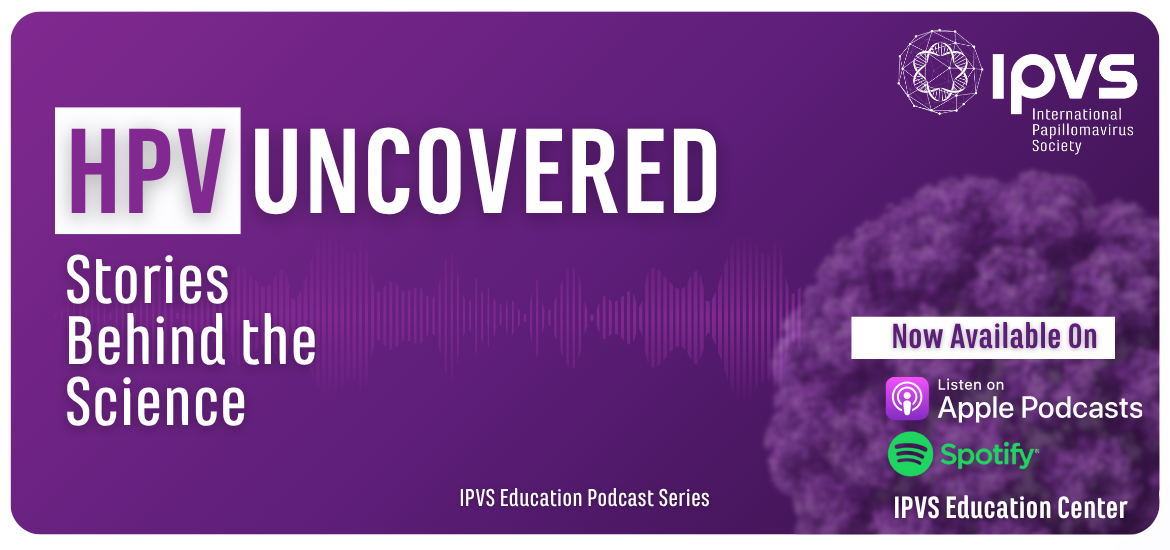
The IPVS Podcast (International Papilloma Virus Society) is apodcast that focuses on expert insights and breakthroughs within HPV research, care, prevention, and vaccination. Anita Wiseman at Kenes Group, the xx behind the podcast, stated:
“We could bring different voices and perspectives to the table in podcasts, compared to a more traditional webinar. It also means that there is a legacy resource that is more likely to be accessed over time as part of the IPVS channel offer.”
The Impact on Healthcare Professionals
- Preventing Burnout: Replaces dense research with digestible formats, helping clinicians stay up to date without stress and burnout.
- Supporting Evidence-Based Care: Help doctors quickly learn and adopt new therapies, diagnostic tools, and guidelines.
- Encouraging Collaboration: Facilitates learning and education across departments and medical specialities.
The Impact on Patients and the Public
- Improving Health Literacy: Replaces jargon with plain language, empowering patients to make informed decisions about their own treatment.
- Improving Adherence: Clear explanations of why a treatment works and how to manage side effects directly impacts adherence.
- Combating misinformation: Delivers a consistent and reliable source of truth in an industry flooded with unverified health advice.
What Are the Benefits of Podcasting for Healthcare Comms?
Building Trust & Credibility
Podcasting creates a direct, personal connection with listeners. It is an intimate format fronted by the human voice. Hearing a familiar voice talk through a complex treatment or share professional expertise can make healthcare information feel more approachable and trustworthy.
Podcasts are considered 23x more trustworthy and authentic than social media, according to a SiriusXM study. As misinformation and AI-generated content becomes more common across platforms like X, Instagram, and Facebook, users are looking for reliable information elsewhere. Podcasts offer this through in-depth conversations, the human voice, and regular episodes that build familiarity and parasocial relationships with listeners. This has made them a well-trusted source for everything from health and wellness to entertainment and distraction.
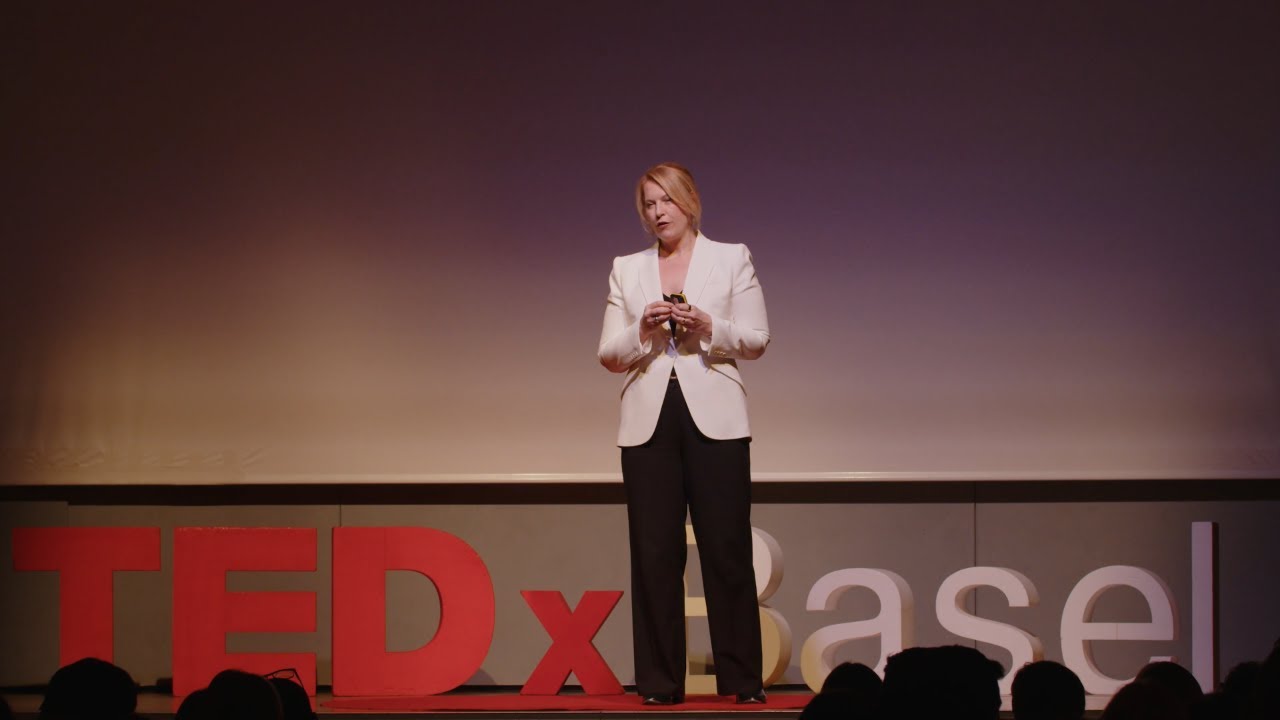
CEO and founder of Filshie Browning Associates, a strategic healthcare and science communications consultancy, Jo Filshie Browning, said in her TED Talk "Science communication matters and how to do it better":
“Focusing on people builds connections and can help people really understand the science. And this principle works even when people aren’t the focus of the science. Because scientists are people. We can build connections through their stories, struggles and victories.”
Improving Patient Education
For people without a scientific or medical background, unfamiliar and intimidating terminology can make healthcare information difficult to understand.
Podcasts can break down complex topics, new research, and medical innovations into clear, conversational discussions, helping patients better understand the information and treatments that matter to them.
For example, BBC Radio 4’s Inside Health podcast series “demystifies health issues, separating fact from fiction and bringing clarity to conflicting health advice.” Episodes explore common health questions arising from topical events, from concerns around student meningitis outbreaks and the impact of air pollution on our bodies, to new treatments for menopausal hot flushes and promising advances in cystic fibrosis care.
Accessible Healthcare Information
For patients and the public, podcasts can make complex healthcare topics easier to understand without having to wade through dense scientific papers or technical resources.
Podcasts can also help spread awareness of successful healthcare initiatives, making insights and lessons from different countries and healthcare settings accessible to HCPs around the world. For example the WSPID Podcast episode Dengue and Its Global Challenges: Insights from Brazil and Argentina explores the impact of climate change on dengue transmission and prevention, alongside lessons from vaccine rollouts in Brazil and Argentina. Sharing these experiences can help HCPs learn from approaches used in other settings and consider how relevant lessons could be applied to similar situations.
This ability to share knowledge across disciplines and countries is also highlighted by Fernandez, who states that the podcast helps “disseminate knowledge more widely and rapidly”.
“By making these conversations accessible to a broader audience, the podcast helps bridge the gap between research and practice, ultimately contributing to improved care and innovation.”
Connecting with Busy Audiences
For busy healthcare professionals, keeping up with research and medical developments can be tricky alongside demanding schedules.
Podcasts provide a convenient way to hear expert discussions and stay informed between meetings, during a commute, or while completing other tasks. This flexibility allows learning to fit more easily around busy schedules.
Speaking on the ATTD podcast, Fernandez said:
“We noticed that healthcare professionals, researchers, and industry stakeholders increasingly consume content on the go, and podcasting is a great way to share expert insights beyond traditional conferences, publications, and webinars.”
“Listeners can engage with expert discussions while commuting, exercising, or traveling.”
Supporting HCPs Learning & Professional Development
For healthcare professionals, podcasts can support ongoing learning by highlighting relevant research, studies, and expert discussions. Rather than replacing formal learning or research, they can signpost HCPs to particular topics and studies worth exploring further.
They can also form part of wider professional development programmes. For example, ATTD: Diabetes Talks is part of the CPD/CME accreditation, allowing listeners to earn credits towards their qualification by listening to podcast episodes. The podcast is also part of the learning resources on their educational portal, UNLOK.
Podcasts can also complement other learning materials, giving healthcare organisations a way to repurpose expert discussions across different formats. For example, WSPID’s global e-learning portal includes courses, webinars, and other resources that build on podcast content through graphics and readable PDFs. Its LinkedIn presence also breaks down podcast insights into succinct carousels, extending key discussions to social-first audiences.
This approach allows organisations to reinforce key themes across different formats while supporting HCPs’ learning and professional development. As Anita from the IPVS Podcast explains:
"This [podcast] creates an additional layer of engagement by combining accessible, on-demand learning with accredited professional development, helping us reach listeners who are looking not only to stay informed but also to advance their clinical knowledge and education requirements."
How Has Podcasting Changed Healthcare Comms?
Podcasts turn one-off events into ongoing conversations
ATTD: Diabetes Talks groups key insights from medical conferences, presentations, and discussions with human-led interviews featuring industry experts. Produced by Cue, different seasons feature different hosts exploring diabetes management, innovative practices, patient care, new treatments and therapies, and clinical advice.
The podcast extends the reach of events, such as [name a conference] beyond the event data itself. Key conference insights can be broken down into focused episodes, while interview-led series explore specific technologies, treatments, and clinical developments in greater depth.
This gives clinicians, researchers, and other healthcare professionals access to specialist information throughout the year, while making complex developments more accessible to a wider audience. Rather than limiting important discussions to a conference’s timeframe, podcasts give healthcare organisations a way to keep those conversations going.
Fernandez said:
“It [the podcast” helps keep important conversations going between conferences and provides an additional platform through which the community can access expert perspectives and stay informed about developments across the diabetes landscape.”
Podcasts make emerging research and treatments easier to understand
Healthcare podcasts give industry experts the space. Instead of traditional methods of trawling through jargon-heavy research papers and documents, podcasts give industry experts the space to break down the importance of new developments and what they actually mean.
The ATTD: Diabetes Talks podcast focuses on new research, treatments, and technologies in diabetes care and management. For example, its episode on The Weekly Insulin Breakthrough looks at the evolution of basal insulin, its clinical advantages and the benefits of weekly vs. daily basal insulin, the impact of this on patients, and its future as a weekly treatment option.
The WSPID Podcast brings together healthcare professionals across the world to discuss critical topics in paediatric infectious diseases. Episodes cover everything from emerging research and clinical cases to new diagnostics and treatment challenges. In the episode Understanding Pneumococcal Disease Part 2: Answering Pediatrician’s FAQs experts targeted professional specialised education, answering their most asked questions on the topic. This covered which patients are most at risk, diagnosing bacterial vs. viral pneumonia, and the available antibiotic treatment options.
The IPVS Podcast from the International Papillomavirus Society uses expert-led conversations to explore breakthroughs and challenges in HPV research and prevention. Its HPV Uncovered series explores the discoveries behind HPV research and cancer prevention, while other episodes examine issues affecting HPV vaccination. In the episode HPV Vaccine Hesitancy: Exploring Culture, Gender, and Trust in the Global Context, the experts unpick the challenges surrounding HPV vaccination, taking topical and developing research and data on how gender and cultural factors can influence vaccine uptake, and sharing this alongside strategies to help healthcare professionals kickstart conversations on vaccine hesitancy.
These podcasts show how healthcare communication is more than simply publishing new information. They give experts a platform to explain the meaning behind emerging research, break down developing treatments, and explore why these developments matter for clinical practice and patient care.
Podcasts help connect emerging research and treatments with real-world patient care
New treatments and medical developments can be scientifically promising, but that doesn’t mean they immediately become part of everyday patient care. Podcasts like ATTD: Diabetes Talks and the WSPID Podcast explore the relationship between new research and its real world implementation.
For example, ATTD: Diabetes Talks has published a series with episodes exploring inhaled insulin and its practical implementation in clinical practice, including treatment strategies, decision-making, and working alongside patients.
The WSPID Podcast takes a similar approach with episodes like Empathy and Evidence: Strategies Against Vaccine Hesitancy. Experts explore the reasons behind vaccine hesitancy, misinformation, and successful global public health initiatives that have improved vaccination uptake. They also discuss communication strategies healthcare professionals can use when speaking with patients hesitant about vaccination.
These podcasts show how healthcare podcasts don’t just discuss new information and changes in their respective fields. They explore what it takes to put new treatments and approaches into practice, and what these changes can mean for patient care.
Is Podcasting Right for Your Healthcare Communications?
Case studies like ATTD: Diabetes Talks and the WSPID Podcast show how healthcare podcasts can connect medical professionals, industry experts, and wider audiences. They explore complex clinical concepts while providing a dedicated space for cross-department collaboration and wider discussion.
If your subject is constantly developing, podcasting can provide a space to discuss new research, treatments, and technologies. If the subject is particularly complex, expert-led conversations can make difficult information easier to understand. If effective implementation is the challenge, podcasts can explore what it takes to put new developments into practice.
The case studies discussed here show how healthcare podcasts use expert voices and focused discussions to look at developments within a field and connect them to the people they affect.
For healthcare organisations and industry experts, deciding whether a healthcare podcast is right for you is about knowing whether podcasting will help your audience understand, discuss, or connect with something that matters to them.
Conclusion
If you’re thinking of starting a podcast for your healthcare communications, Cue Productions is there for every step of the journey. Our experience working across the healthcare sector means we understand the specific needs of healthcare organisations, from developing an effective content production strategy to connecting that content with the right audiences.
We work with clients season after season, alongside supporting new podcast projects. We build up an understanding of their audiences, their goals, and the intentions behind their communications. This experience allows us to bring our specialist knowledge to every project and understand what each organisation needs from their podcast.
A review from ATTD: Diabetes Talks:
"The [Cue Productions] team has been collaborative, responsive, and committed to delivering a high-quality product. We particularly value the professionalism, flexibility, and willingness to adapt to evolving needs throughout the production process."
From podcast strategy and production to distribution and growth, our dedicated team of producers and audio specialists help bring your podcast to life and make it a unique and valuable part of your wider healthcare communications.